

I make complex systems a little less ridiculous.
PRODUCT & UX · CIVIC TECH
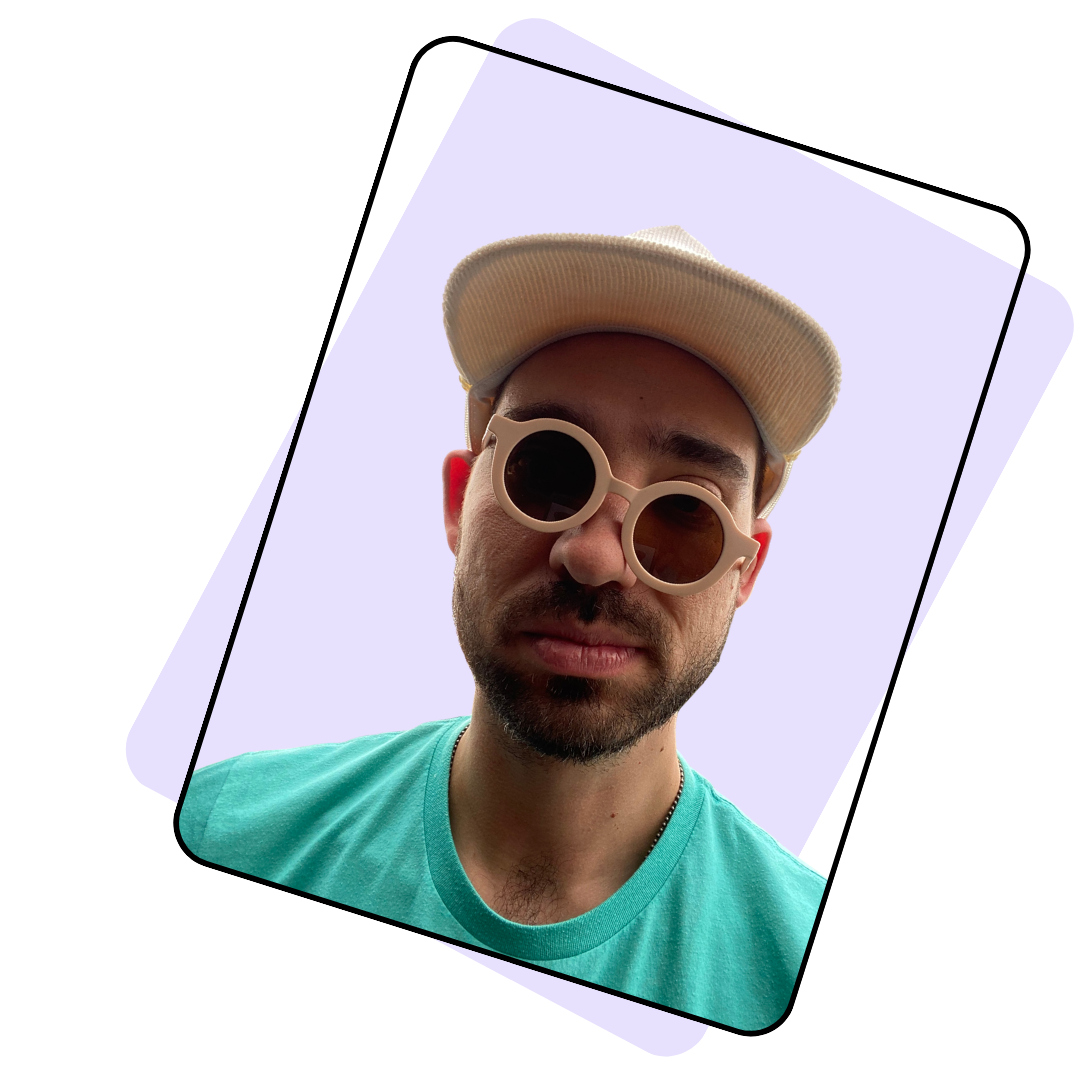
I’m Jacob! By day I work inside city government, turning “where do I even click?” into public services people can actually use. On my own time I build tools like Buildable that do the same for permitting.

RECENT OUTCOMES
Modernizing a city’s digital services
(So community members can get what they need and get back to their lives.)
92% WCAG 2.1 AA conformance across core city sites
21% lift in users successfully finding what they came for
1st end-to-end permit guide the City ever published
Selected Work
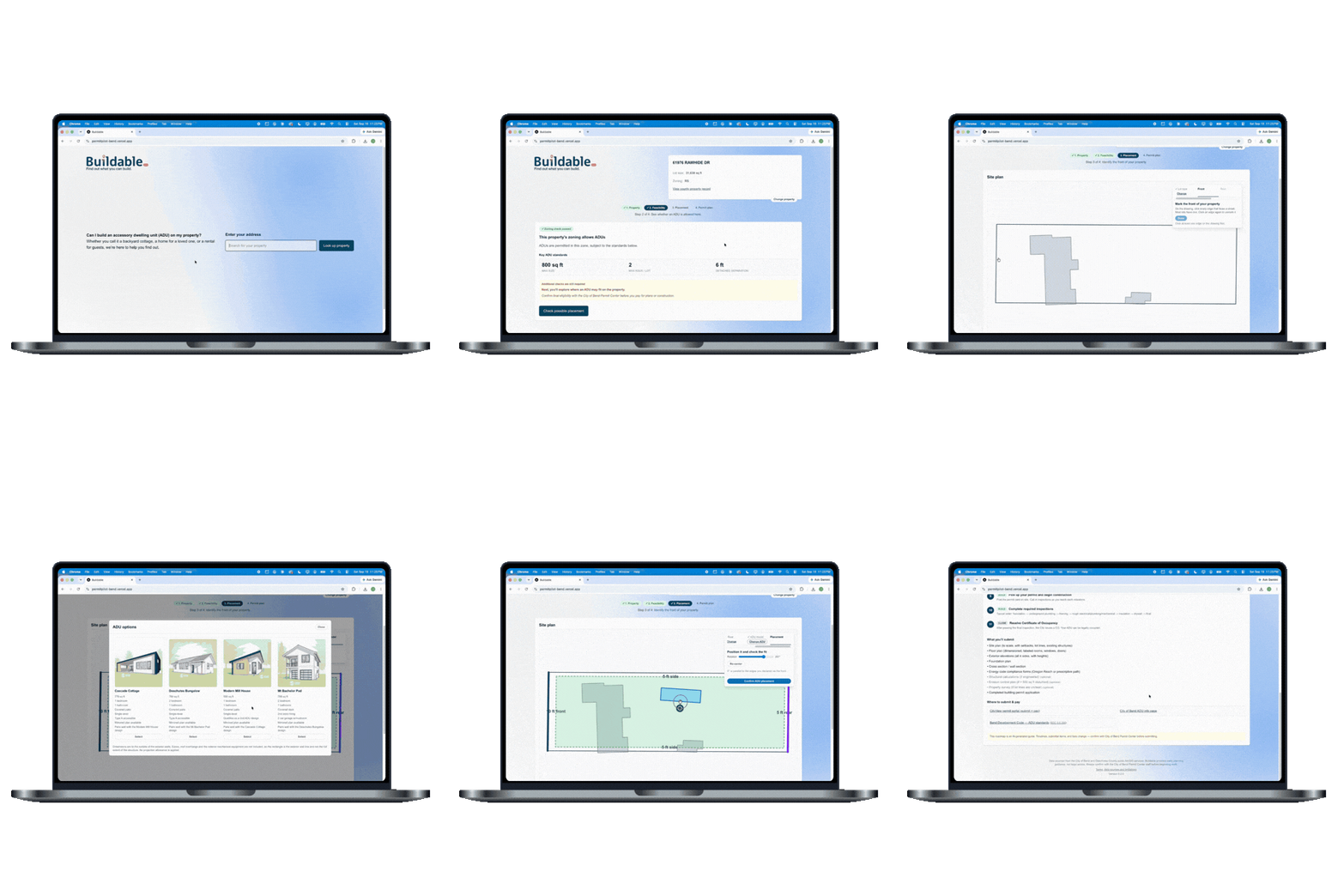
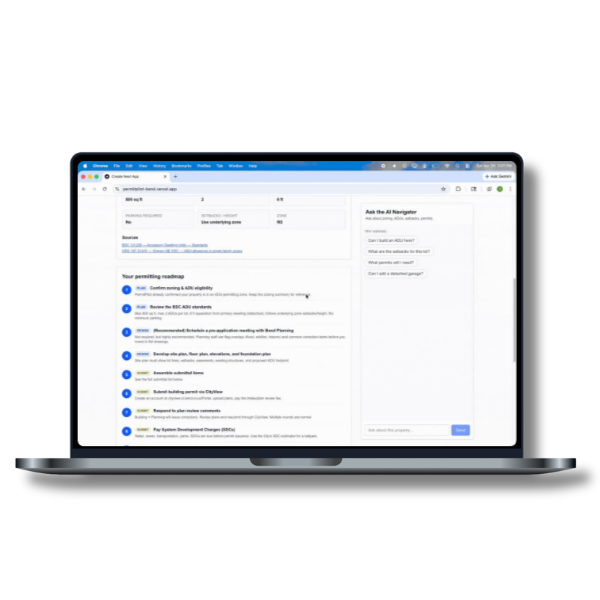
Making ADU permitting easier to understand
Helping homeowners understand what they can build on their property
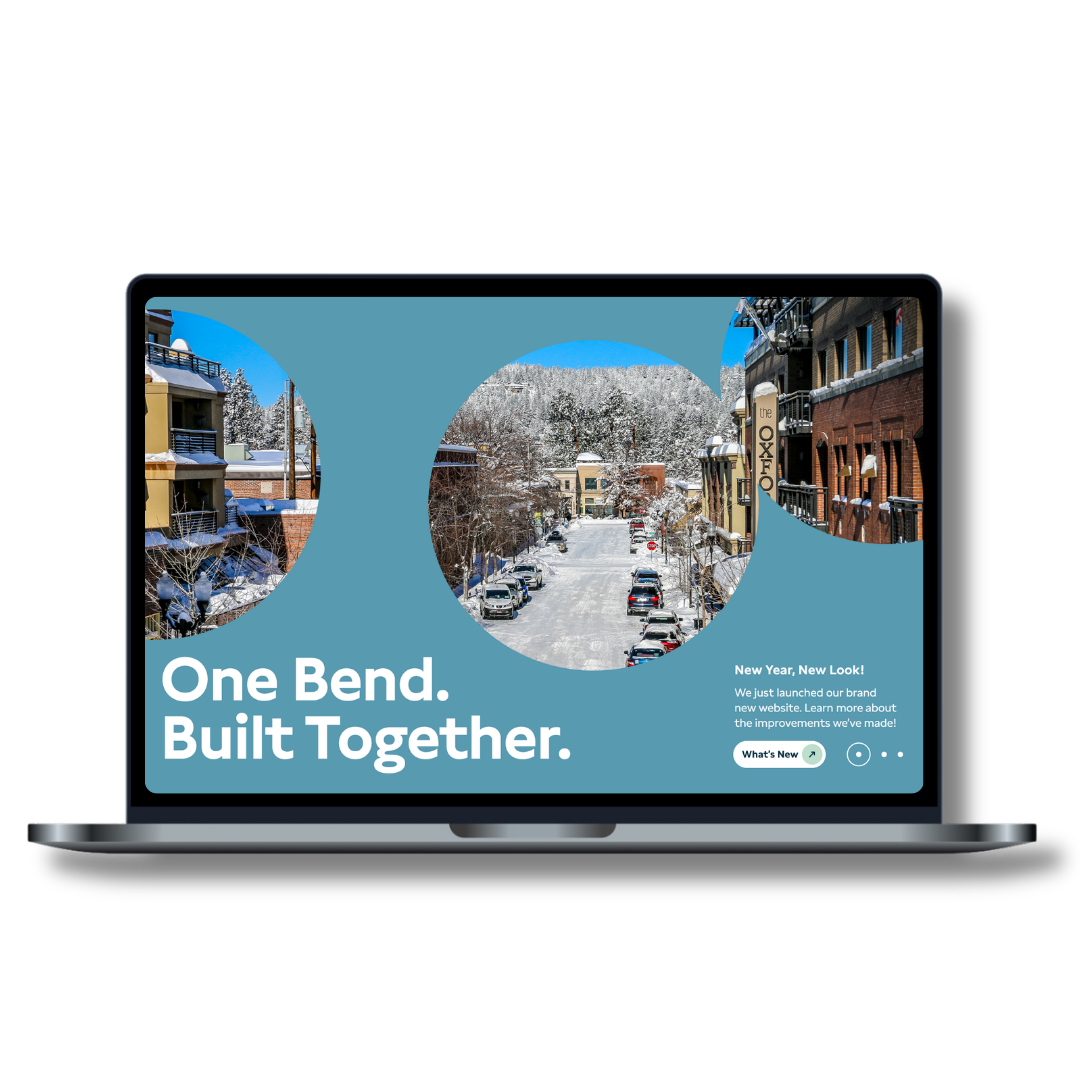
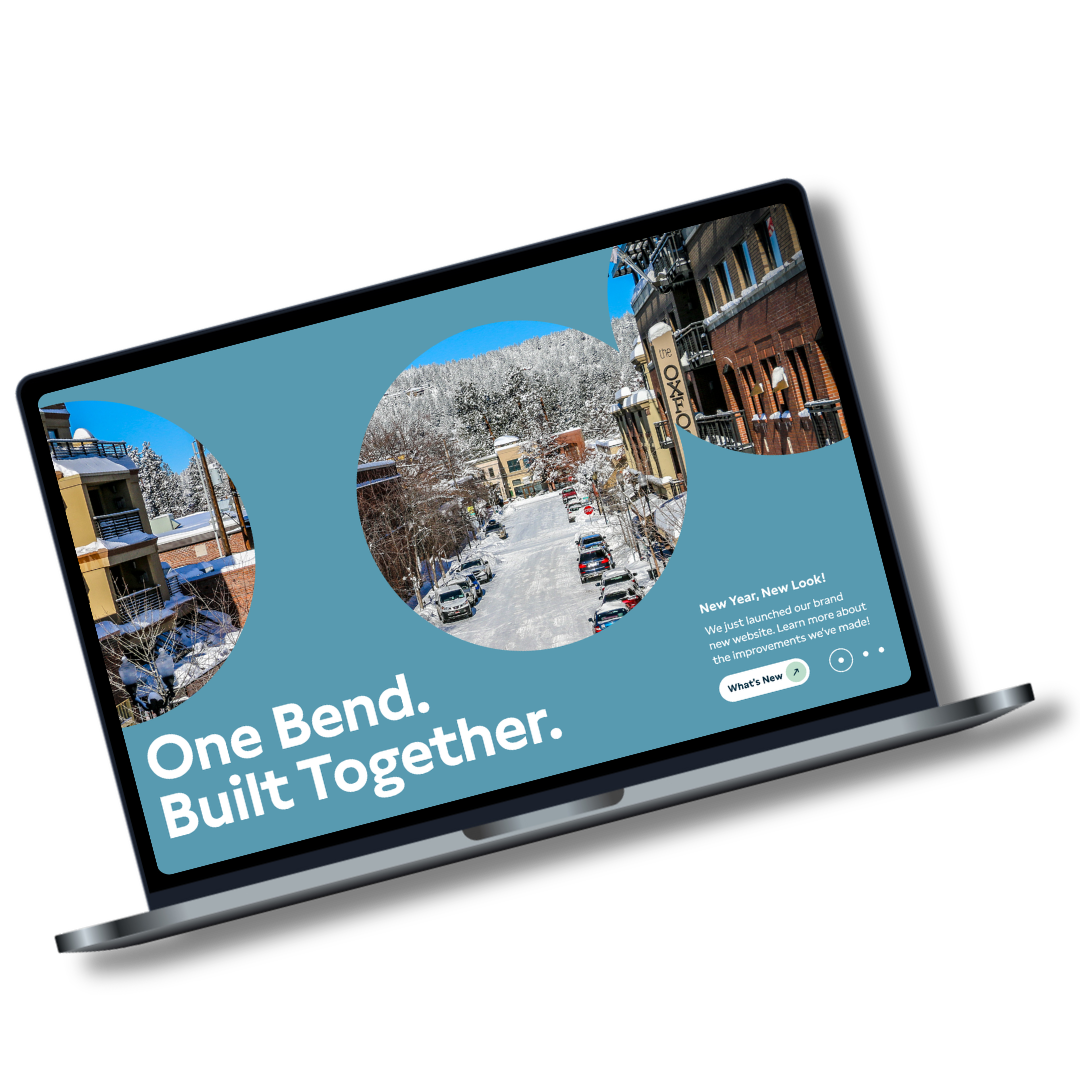
Redesigning a City’s
Digital Front Door
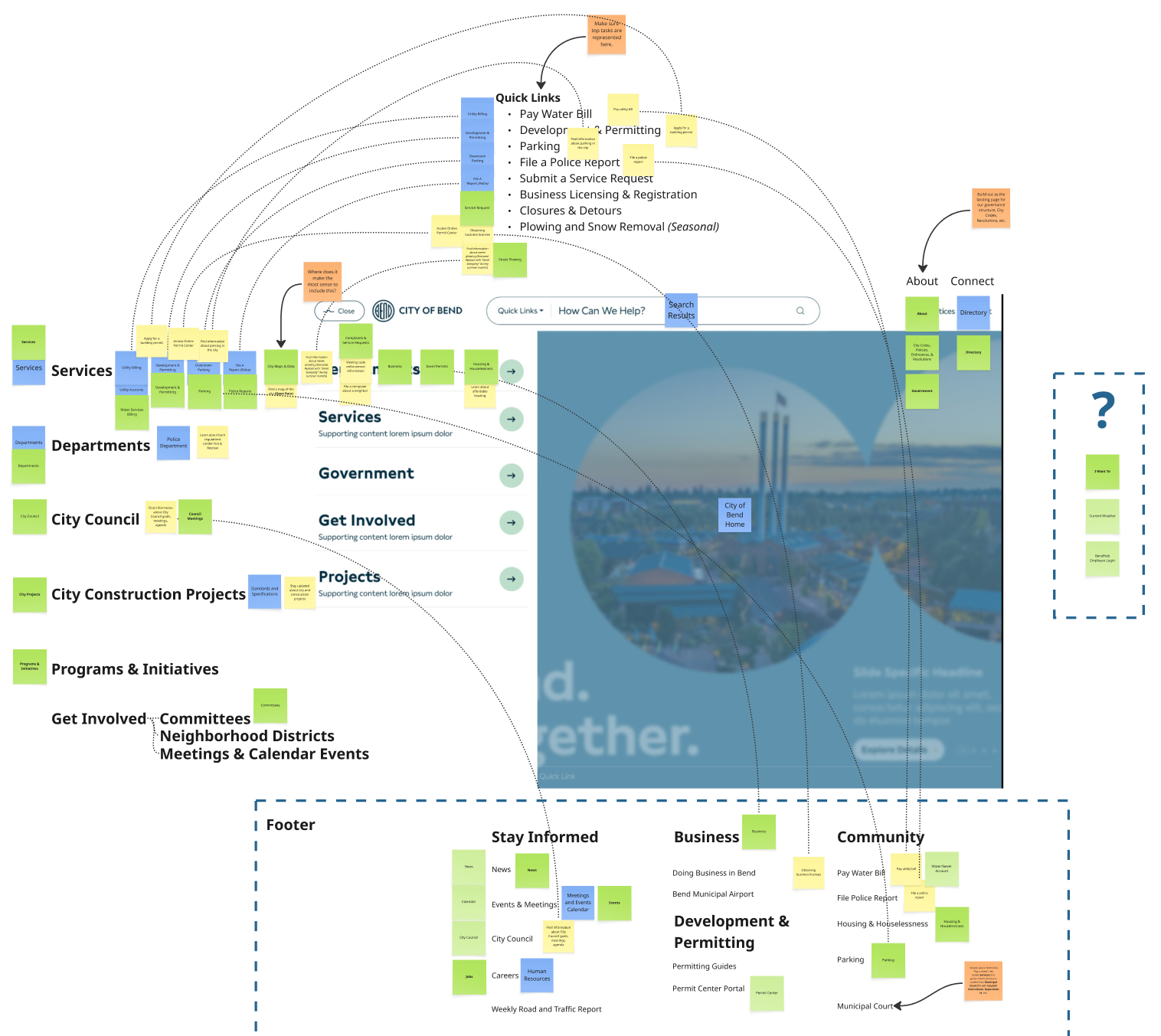
How a new information architecture increased task success by 21%
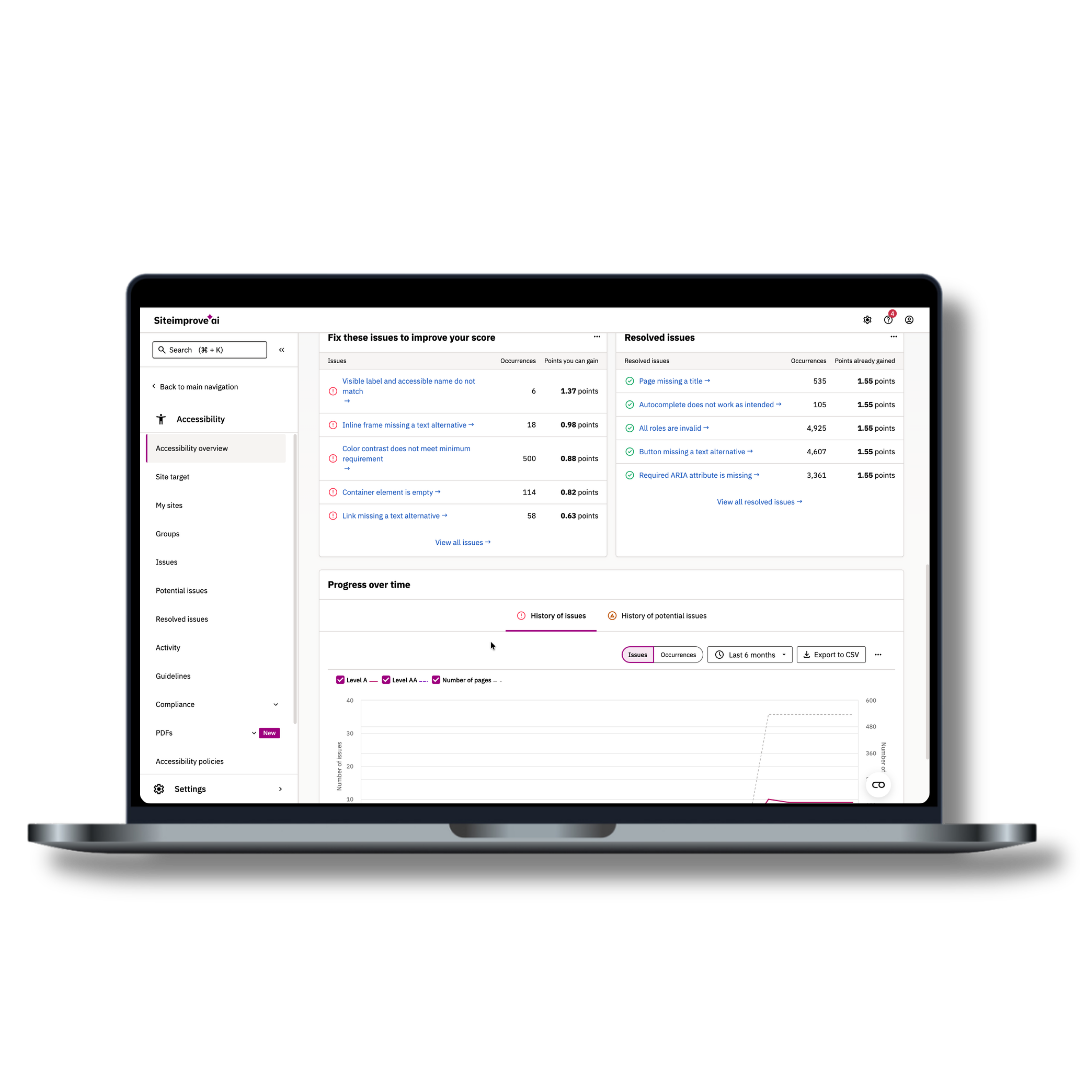
Making City Services Usable for All
How we brought Bend’s website to 92% WCAG 2.1 AA conformance
How I think About Design
Good UX isn’t just about
pretty screens…

it’s about messy systems, stressed-out humans, and the tiny decisions that add up to
“this works” or “I’m giving up.”

I start with how people actually behave, not how the org chart says they should.
My work blends research, information architecture, systems thinking, and rapid experimentation to ship solutions that hold up in the real world.
My 3 Principles:
-
Get uncomfortably clear on user needs, constraints, and tradeoffs before reaching for shiny solutions. A better button won’t fix a broken policy.
-
Prototype early, test often, and watch what people actually do. If a resident can’t complete a task while juggling kids and dinner, it’s not done.
-
Treat AI and emerging tech as force multipliers, not replacements for judgment. I use AI to explore, synthesize, and move faster—then let humans decide what’s worth keeping.
What Others Say
-
![Andrinna Leask]()
“His dedication to designing, maintaining, and implementing new processes has been instrumental in the creation and ongoing success of our organization's website. His reliability and collaborative nature make him a valued and trusted member of our team."
— Andrinna Leask, Permit Center Supervisor, City of Bend -
![Cherissa Alldredge]()
“Jacob never accepted 'this is how we've always done it' as an answer. He challenged staff to rethink and improve every process he touched, pushing our digital experiences beyond compliance toward genuinely usable, intuitive design."
— Cherissa Alldredge, Booz Allen Hamilton
Previously Accessibility & Equity Manager, City of Bend -
![Anne Aurand]()
“What truly sets him apart is his gift for training and coaching. Jacob anticipates people's questions before they even ask. He delivers information with clarity, empathy, and a spirit of fun."
— Anne Aurand, City of Bend
Previously Communications & Engagement Director -
![Joshua Romero]()
"Jacob cares about the broader context and how it impacts the details of his work. Those qualities served him well as he led the complete redesign and re-platforming of the City's website."
— Joshua Romero, APR, APIO Internal Communications Advisor, Mercury NZ
Previously Assistant Communications Director at City of Bend

WRITING
Notes on UX, AI, and the future (or at least the near future) of design.

ON SUBSTACK
I unpack lessons from real projects, experiments with AI-assisted workflows, and the uncomfortable gaps between how we say systems work and how people actually experience them.
RECENT POSTS:
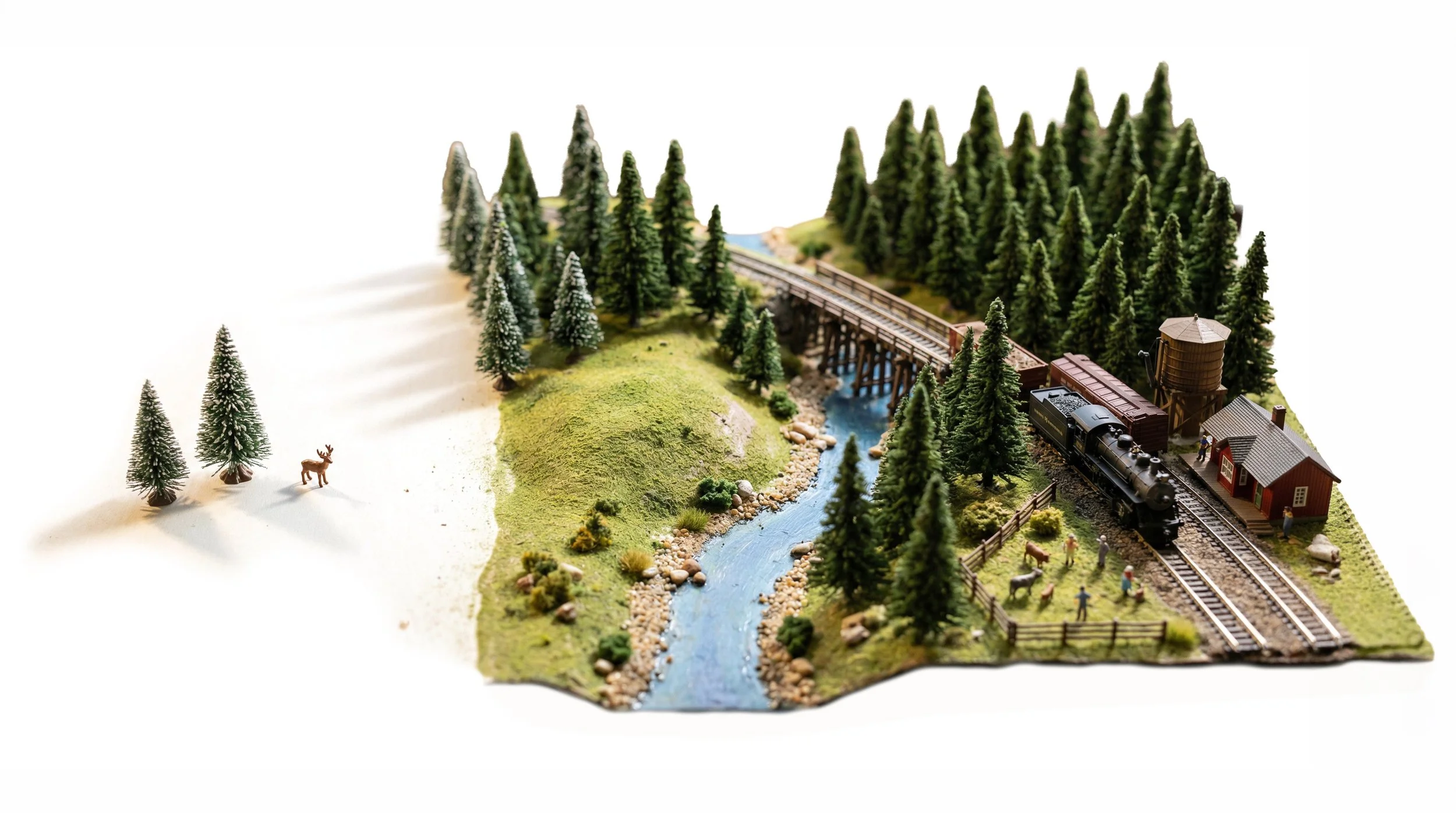
You Don’t Need a Lab.
You Need a Person.
How one screen reader session rearranged my design brain.
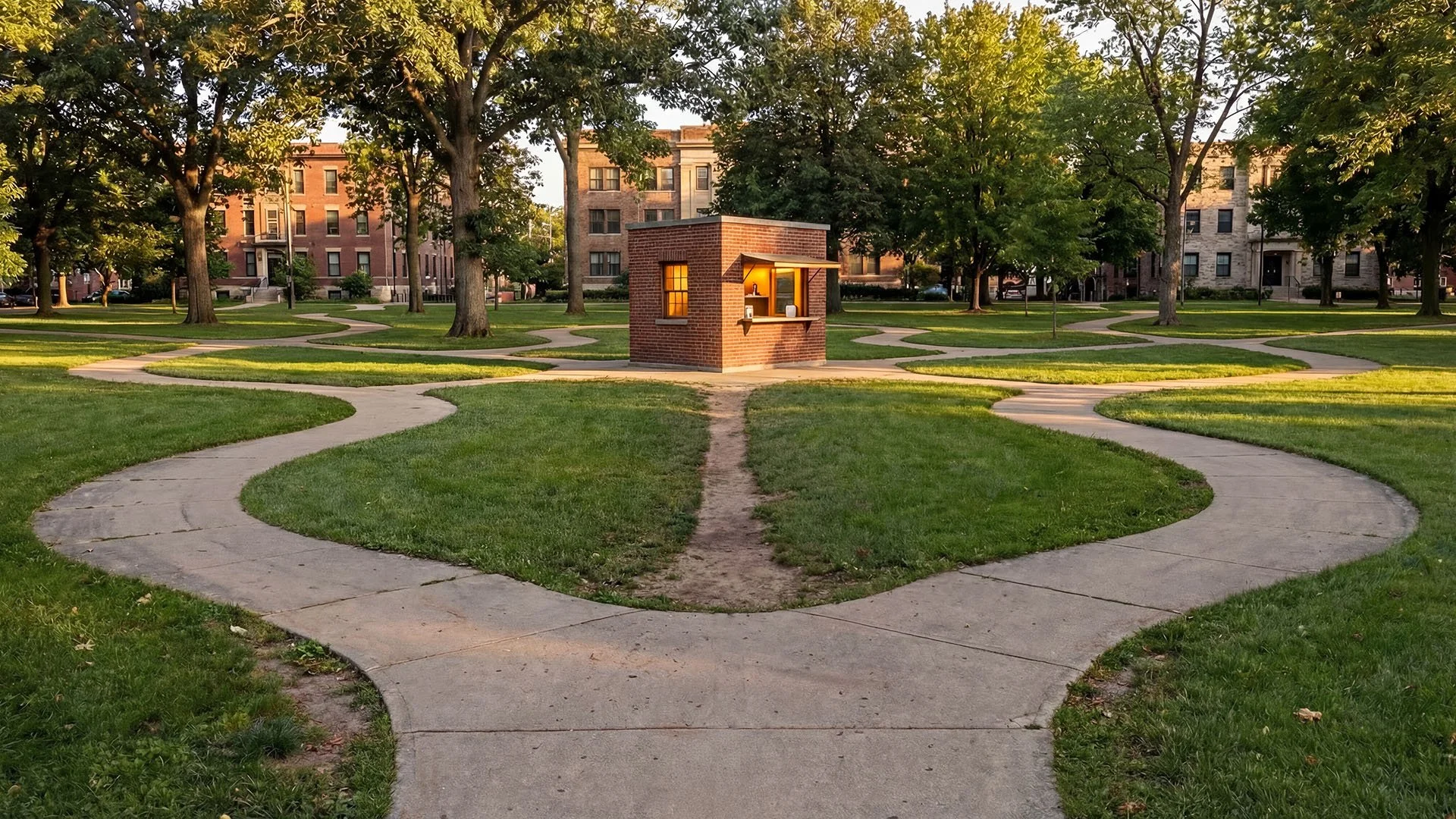
Your Community Doesn’t Care… and that’s a Good Thing
Why equal representation isn’t the same as user-centered design.

The Jack-of-All-Trades Renaissance
How to use AI to seize the day (without losing the plot).
How I use AI in my practice.
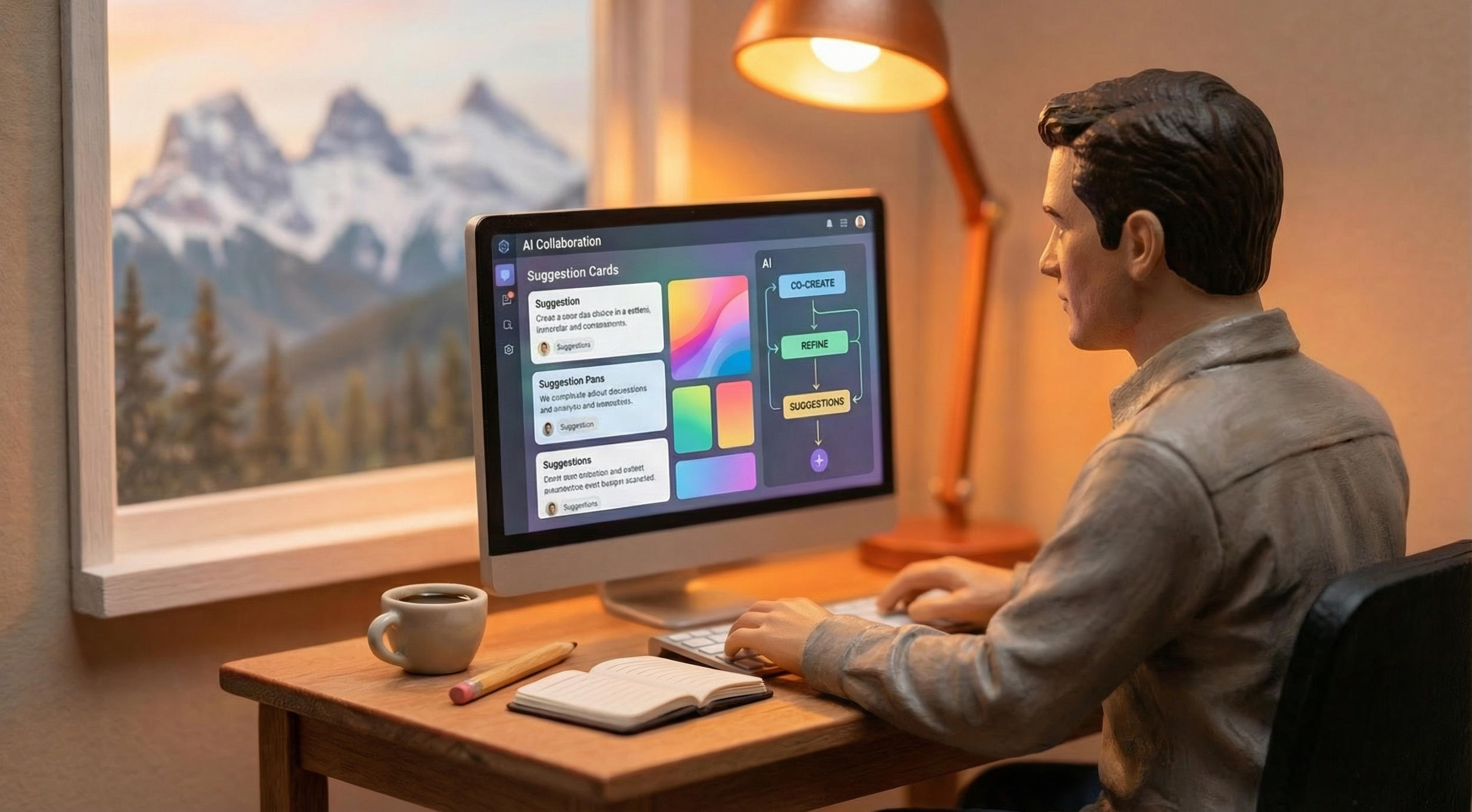
I think of AI as a really fast, occasionally overconfident collaborator. It’s great at compressing chaos into patterns, exploring options, and surfacing edge cases I might not spot on a first pass. I use it to move faster toward clarity—not to skip the hard parts of design.
-
I use AI to turn interviews, surveys, and support tickets into themes, journey maps, and “here’s what’s actually going wrong” summaries.
-
I ask AI to generate user scenarios, navigation attempts, and failure paths to spot where my IA or workflows might break under real-world behavior.
-
From alternate flows to UX copy drafts, I use AI to see multiple options quickly, then refine the ones that actually serve users and constraints.
-
AI helps convert research and design rationale into clearer narratives: one-pagers, user stories, and explain-it-to-me-like-a-human summaries.

HI, IT’S ME…JACOB 👋
A designer who cares about the whole system.
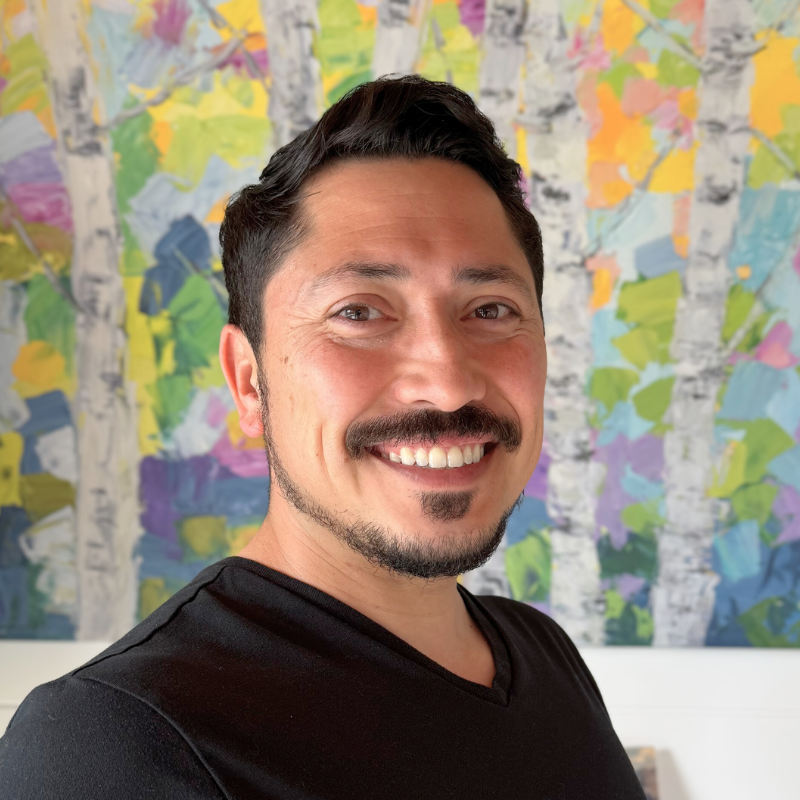
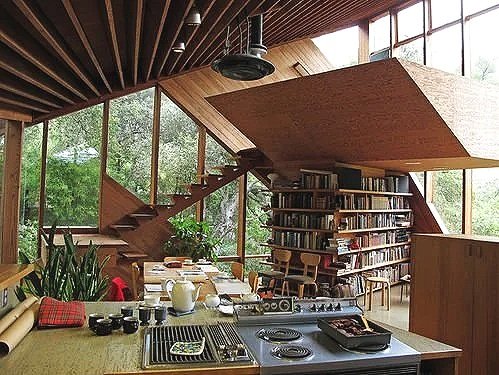
I’m a UX/product designer based in Bend, Oregon, working where human-centered design and emerging technology meet very real constraints. My path has wandered from LA studios working with brands like Sony and Subway, to modernizing public-sector digital services in Bend, Oregon. Outside of work, I’m a dad to two girls, an AI tinkerer, and a furniture designer who believes physical objects have a lot to teach digital products.
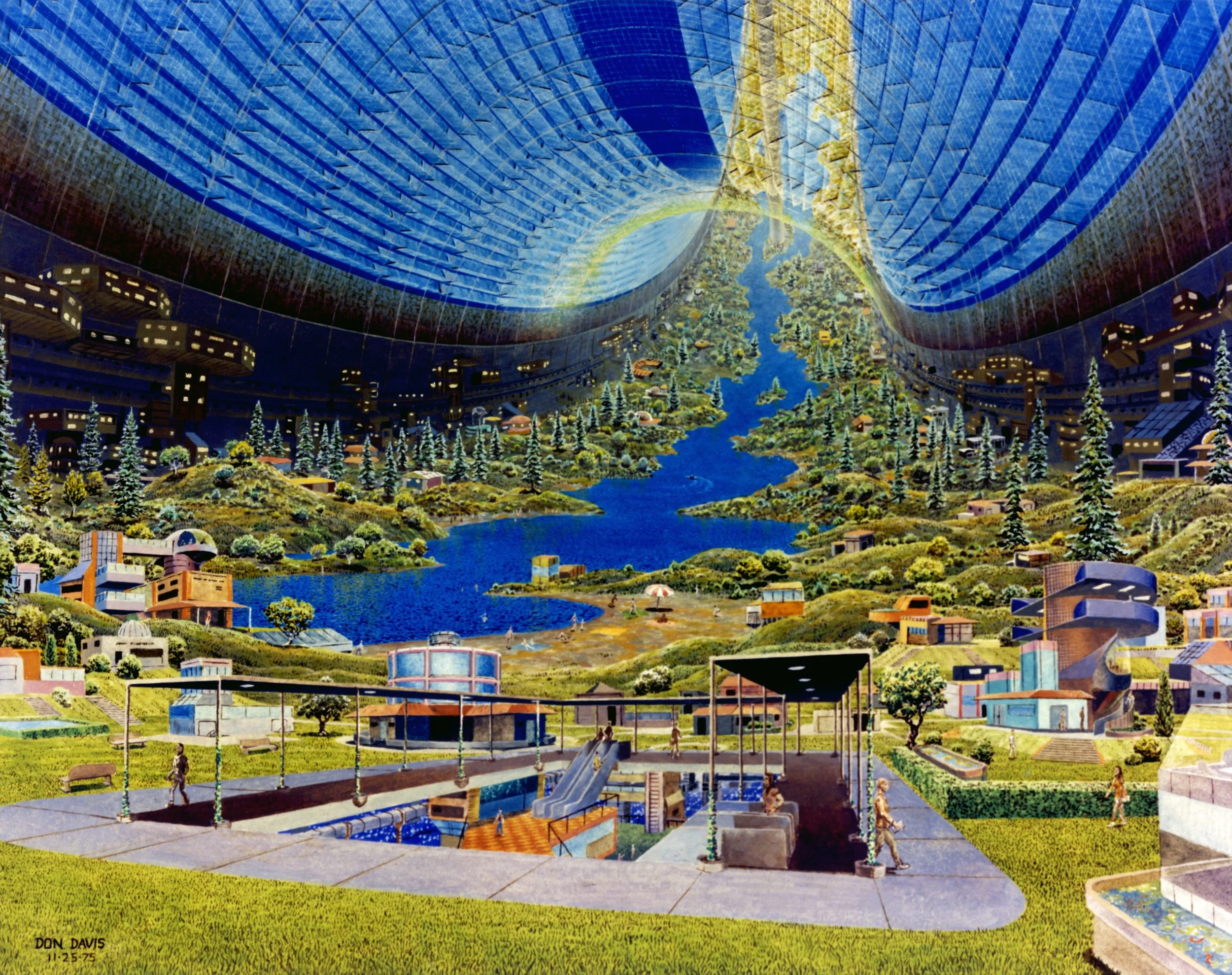
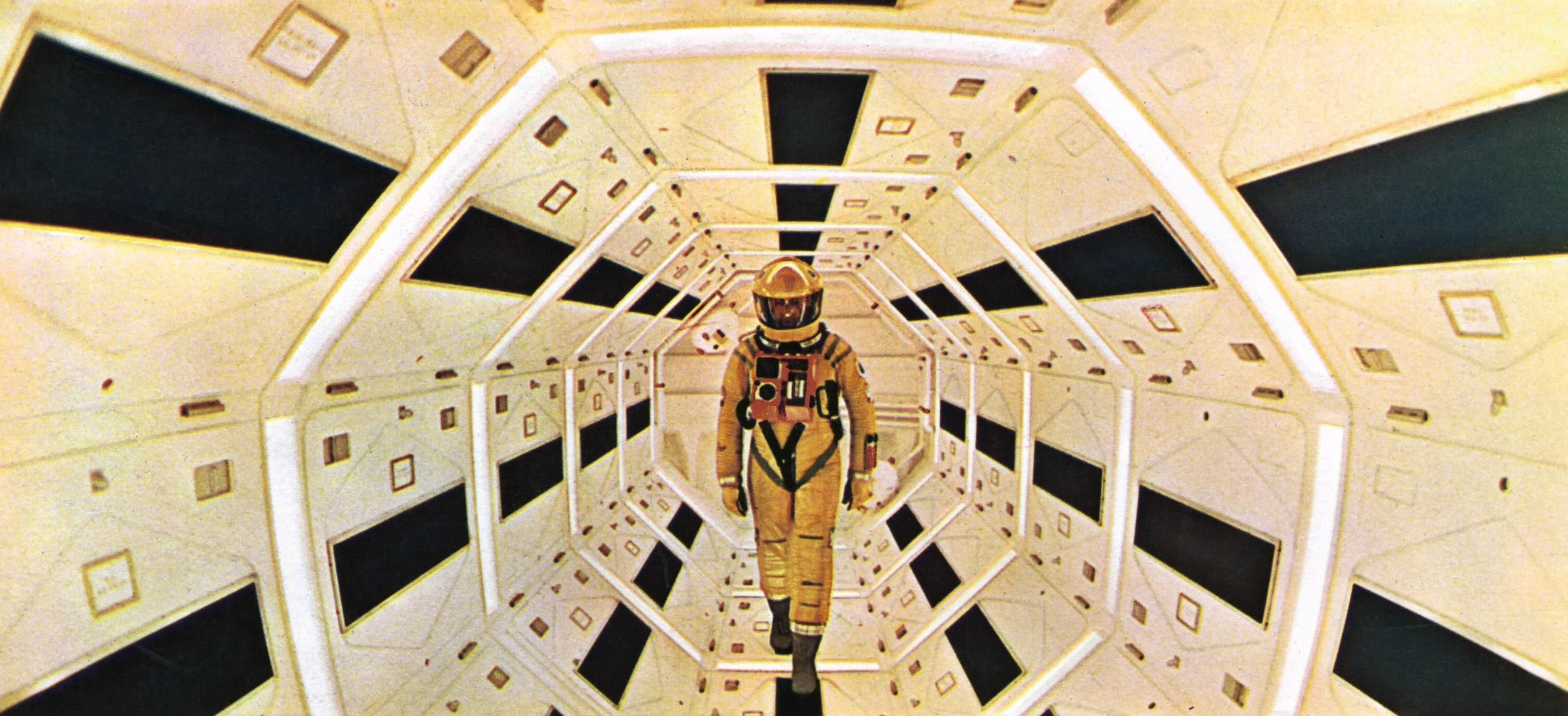
2026 Mood Board


Let’s Talk
I always enjoy conversations about design, technology, and making complex systems feel less intimidating for the people who have to use them. If something here resonates—whether it’s a case study, a metric, or a half-formed idea—feel free to reach out.